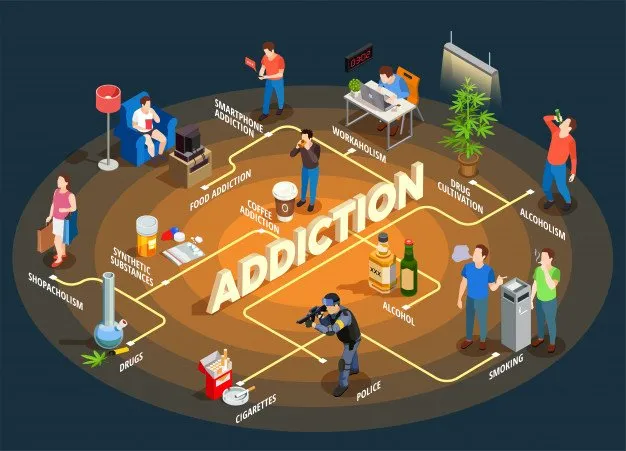
Digital addiction is a growing concern in contemporary society. This compulsive behavior often leads to excessive screen time, which can disrupt daily routines and relationships. Individuals may become increasingly reliant on digital interactions, neglecting real-world connections. The psychological triggers behind this dependency warrant careful examination. Understanding these underlying factors can illuminate the complex relationship between digital engagement and overall well-being. What implications does this have for mental and physical health?
Understanding Digital Addiction
How does one define the phenomenon of digital addiction?
It can be characterized by excessive screen time that disrupts daily life and alters behavioral patterns. Individuals may find themselves compulsively engaging with digital devices, prioritizing virtual interactions over real-world relationships.
This addiction fosters a cycle of dependency, undermining the desire for personal freedom and autonomy, as users struggle to regain control over their time and attention.
Causes of Digital Addiction
What factors contribute to the onset of digital addiction?
Social media platforms often exploit psychological triggers, fostering a compulsive need for validation and connection.
Meanwhile, gaming obsession can arise from immersive environments that offer escape and achievement, appealing to individuals seeking fulfillment.
Together, these elements create a cycle of dependency, where users increasingly prioritize digital interactions over real-world relationships, ultimately impacting their autonomy.
Effects on Mental and Physical Health
Digital addiction poses significant risks to both mental and physical health, manifesting in various detrimental effects on individuals.
The relentless engagement with digital devices often leads to social isolation, creating barriers to meaningful interpersonal connections.
Additionally, excessive screen time contributes to sleep disruption, undermining restorative rest and exacerbating anxiety and depression.
These intertwined consequences highlight the urgent need for awareness and intervention.
Strategies for Managing Digital Consumption
Given the profound impact of digital addiction on mental and physical well-being, it becomes imperative to explore effective strategies for managing digital consumption.
Reducing screen time through scheduled breaks and utilizing apps that track usage can promote mindful usage.
Encouraging alternative activities, such as outdoor pursuits or creative hobbies, fosters a balanced lifestyle, empowering individuals to reclaim control over their digital habits and enhance overall well-being.
Conclusion
In navigating the labyrinth of digital addiction, individuals often find themselves ensnared in a web of compulsive behavior that stifles authentic connection. Acknowledging the psychological triggers and resulting consequences is crucial for fostering awareness. By implementing proactive strategies to manage digital consumption, one can reclaim agency over their lives, promoting a healthier balance between the virtual and the real. Ultimately, recognizing this pervasive issue paves the way towards healing and restoration of meaningful relationships in a hyper-connected world.


 By
By